
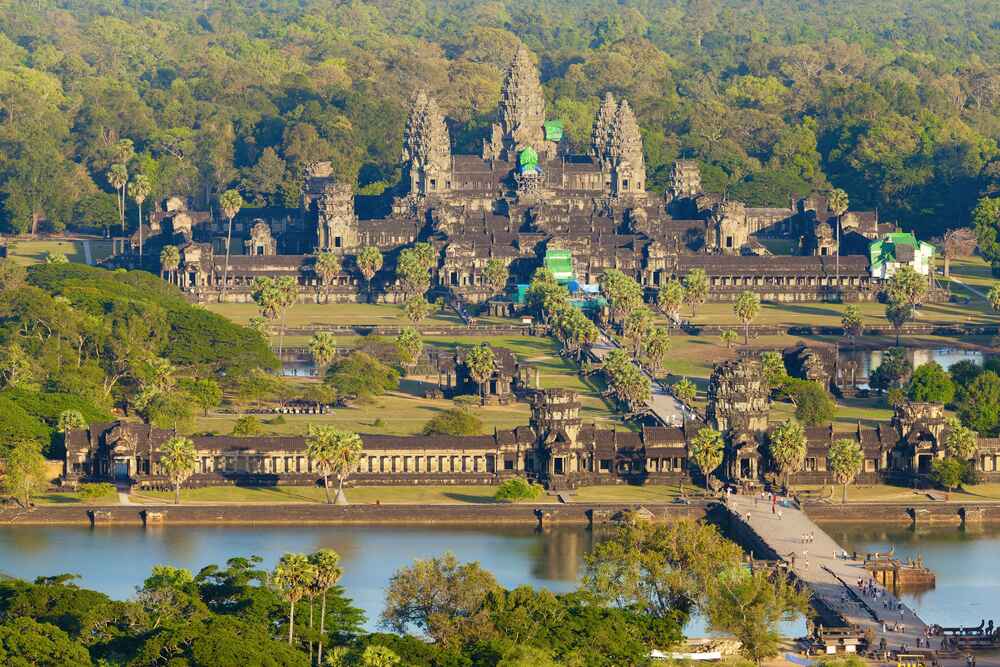
Angkor Wat, Siem Reap: Best Time to Visit
Overview
Angkor Wat, located near Siem Reap, Cambodia, is the largest religious monument in the world and one of the most significant archaeological sites. Originally constructed as a Hindu temple dedicated to Vishnu by the Khmer King Suryavarman II in the early 12th century, it gradually transformed into a Buddhist temple by the end of the century. Angkor Wat is renowned for its grandeur, intricate carvings, and significant historical and cultural importance.
Highlights
- Temple Architecture: Marvel at the stunning Khmer architecture, including the central tower, long corridors, and detailed bas-reliefs depicting Hindu mythology and historical events.
- Sunrise and Sunset: Witnessing the sunrise or sunset at Angkor Wat is a breathtaking experience, with the temple silhouetted against the changing sky.
- Bas-Reliefs: Explore the detailed bas-reliefs that adorn the walls of Angkor Wat, depicting scenes from Hindu epics like the Ramayana and Mahabharata, as well as historical battles.
- Angkor Archaeological Park: Beyond Angkor Wat, the park includes many other significant temples like Bayon, Ta Prohm, and Angkor Thom, each with its own unique features.
Best Time to Visit
The best time to visit Angkor Wat is influenced by Cambodia’s tropical climate, which includes distinct wet and dry seasons. Here are the ideal periods to consider:
- Cool Dry Season (November to February): This is the most popular time to visit Angkor Wat. The weather is relatively cool and dry, with temperatures ranging from 20°C to 30°C (68°F to 86°F). This period offers the most comfortable conditions for exploring the temples and the surrounding park. The clear skies and pleasant temperatures make it perfect for photography, especially during sunrise and sunset. However, this is also the peak tourist season, so expect larger crowds.
- Hot Dry Season (March to May): During this period, temperatures can soar up to 40°C (104°F). While the weather is still dry, the intense heat can make exploring the temples uncomfortable. If you visit during these months, plan to visit early in the morning or late in the afternoon to avoid the peak heat. Staying hydrated and wearing sun protection is essential.
- Rainy Season (June to October): The rainy season brings heavy monsoon rains and high humidity. While the downpours are usually short and intense, they can cause flooding and make travel challenging. However, the lush green surroundings and fewer tourists can offer a unique and serene experience. The cloud cover can also provide some relief from the heat, and the temples can look particularly beautiful against the backdrop of stormy skies. Just be prepared for sudden rain showers and muddy conditions.
Travel Tips
- Early Start: To avoid the heat and crowds, start your day early. The temples open at 5:00 AM, and witnessing the sunrise at Angkor Wat is a must.
- Dress Modestly: As a religious site, visitors should dress modestly. Wearing clothing that covers the shoulders and knees is respectful and often required.
- Guided Tours: Consider hiring a local guide to enhance your understanding of the history, architecture, and significance of Angkor Wat and the surrounding temples.
- Photography: The best light for photography is during the early morning and late afternoon. Make sure to capture the iconic sunrise or sunset at Angkor Wat.
- Hydration and Sun Protection: Bring plenty of water, wear a hat, and use sunscreen to protect yourself from the sun, especially during the hot season.
- Temple Etiquette: Be respectful towards the religious and cultural significance of the temples. Avoid touching the carvings and statues, and be mindful of your behavior.
Summary
Angkor Wat is a majestic and culturally rich destination that offers a profound glimpse into Cambodia’s history and heritage. The best time to visit is during the cool dry season from November to February when the weather is most comfortable. However, each season has its own charm, from the vibrant greenery of the rainy season to the quieter and hotter months of the hot dry season. Regardless of when you visit, Angkor Wat’s timeless beauty and historical significance will provide an unforgettable experience.


COMMENTS