
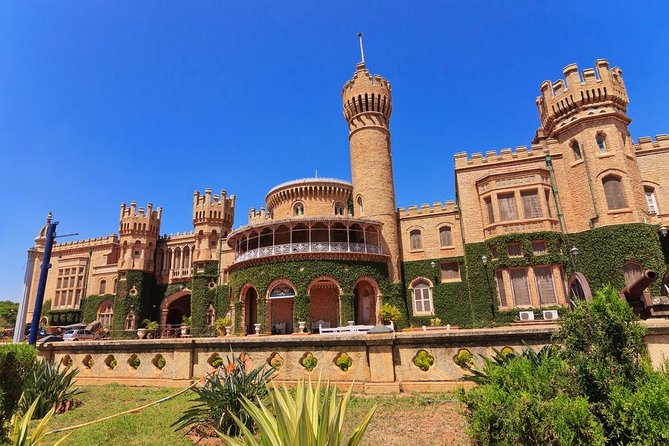
Bangalore Fort, Bangalore
Overview:
Bangalore Fort, also known as Kempegowda Fort, is a historical fortification located in Bangalore, Karnataka. It was originally built by Kempegowda I, the founder of Bangalore, in 1537 as a mud fort. In the 18th century, it was transformed into a stone fort by Haider Ali, the ruler of Mysore. The fort played a significant role in the history of Bangalore and has witnessed several battles, including conflicts with the British East India Company. Today, only a portion of the fort remains, including the Delhi Gate, remnants of the walls, and a few structures within the premises.
Key Highlights:
- Historical Significance: The fort has a rich history and was an important military stronghold during the reign of Haider Ali and his son Tipu Sultan. It provides a glimpse into the architectural and military prowess of that era.
- Delhi Gate: One of the main entrances to the fort, the Delhi Gate, is an iconic structure and a prominent feature of the remaining fort. It showcases intricate carvings and robust construction.
- Ganapathi Temple: Within the fort complex is a small but ancient temple dedicated to Lord Ganesha, adding a spiritual aspect to the historical site.
- Archaeological Significance: The fort is an important archaeological site, and visitors can explore the remaining walls, bastions, and other remnants that tell the story of Bangalore's past.
- Cultural Heritage: The fort is a testament to the cultural and historical heritage of Bangalore, offering insights into the city's origins and its evolution over centuries.
Best Time to Visit:
- Winter (November to February): This is the best time to visit Bangalore Fort as the weather is cool and pleasant, with temperatures ranging from 15°C to 25°C. The comfortable climate makes it ideal for exploring the fort and other outdoor attractions in the city.
- Spring (March to April): The weather during spring is also favorable, with temperatures ranging from 20°C to 30°C. It’s a good time to visit, though it starts to get warmer as April progresses.
- Avoid Summer and Monsoon: Summers (May to July) can be hot, with temperatures often exceeding 35°C. The monsoon season (June to September) brings heavy rainfall, which can disrupt travel plans and outdoor activities.
How to Reach:
- By Air: The nearest airport is Kempegowda International Airport, approximately 35 km from the fort. From the airport, visitors can hire taxis or use app-based cab services to reach the fort.
- By Train: The nearest railway station is Bangalore City Railway Station, about 3 km from the fort. From the station, visitors can hire taxis, auto-rickshaws, or use public transport to reach the fort.
- By Road: Bangalore Fort is well-connected by road and is located in the central part of Bangalore. Visitors can take buses, taxis, or drive their own vehicles to reach the fort. The fort is easily accessible from various parts of the city.
Nearby Attractions:
- Tipu Sultan's Summer Palace: Located within the fort complex, this beautiful wooden palace was used by Tipu Sultan as his summer residence. It showcases Indo-Islamic architecture and houses a museum.
- Lalbagh Botanical Garden: A beautiful botanical garden with a wide variety of flora, a glasshouse, and a lake, located about 3 km from the fort.
- Vidhana Soudha: The seat of the state legislature of Karnataka, known for its grand neo-Dravidian architecture, located about 4 km from the fort.
- Cubbon Park: A large, green park in the heart of Bangalore, offering a peaceful retreat with walking paths, gardens, and historical monuments, located about 4 km from the fort.
- Bull Temple: A historic temple dedicated to Nandi (the bull), located about 5 km from the fort.
- Commercial Street: A bustling shopping area known for its variety of shops, from high-end boutiques to street vendors, located about 6 km from the fort.
Tips for Visiting:
- Comfortable Clothing: Wear comfortable and weather-appropriate clothing, including sturdy footwear for walking around the fort and exploring the area.
- Guided Tour: Consider hiring a local guide to get detailed insights into the history and significance of the fort and its structures.
- Photography: Bring a camera to capture the architectural details and scenic views. Photography is usually allowed, but it’s best to check with the authorities.
- Stay Hydrated: Carry water, especially if visiting during warmer months, as exploring the fort can be physically demanding.
- Parking: If driving, be aware that parking in the area can be limited. Utilize nearby parking facilities or consider using public transportation or ride-sharing services.
Visiting Bangalore Fort offers a fascinating journey into the city's rich history and heritage. The fort's historical significance, combined with its architectural beauty and cultural relevance, makes it a must-visit destination for history enthusiasts and tourists in Bangalore.


COMMENTS