
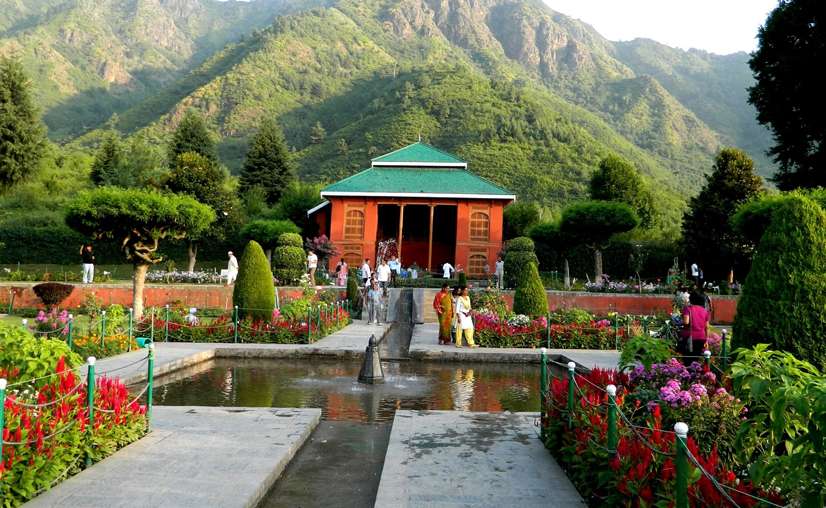
Chashme Shahi, Srinagar, Jammu and Kashmir
Overview
Chashme Shahi, also known as Chashma-i-Shahi, is one of the Mughal gardens located in Srinagar, the summer capital of Jammu and Kashmir. Built around a freshwater spring discovered by the great Mughal Emperor Shah Jahan in 1632, the garden is renowned for its pristine beauty, terraced lawns, and the natural spring that flows through it. It is the smallest of the three Mughal gardens in Srinagar, the other two being Shalimar Bagh and Nishat Bagh.
Historical and Cultural Significance
- Mughal Era: Chashme Shahi was built by Ali Mardan Khan, a governor of the Mughal Emperor Shah Jahan, in 1632. The garden showcases the classic Persian style of Mughal gardens.
- Natural Spring: The garden is built around a freshwater spring, which is believed to have medicinal properties. The name "Chashme Shahi" translates to "Royal Spring."
- Persian Influence: The garden reflects Persian garden layout, with terraced lawns, cascading fountains, and meticulously manicured flower beds.
Activities and Attractions
- Terraced Gardens: Stroll through the terraced gardens adorned with vibrant flowers, lush greenery, and neatly maintained pathways.
- Freshwater Spring: Visit the natural spring, the main attraction of Chashme Shahi. The spring water is considered pure and refreshing.
- Cascading Fountains: Enjoy the sight and sound of the cascading fountains that add to the garden's tranquil ambiance.
- Panoramic Views: The garden offers stunning views of the Dal Lake and the surrounding mountains, making it a perfect spot for photography.
- Floral Displays: The garden is known for its diverse and colorful floral displays, especially during the spring and summer seasons.
- Historical Significance: Learn about the Mughal history and architecture through the garden's design and layout, which reflect the grandeur of the Mughal era.
- Relaxation and Picnics: The serene environment and picturesque setting make Chashme Shahi an ideal spot for relaxation and picnics with family and friends.
Best Time to Visit
The best time to visit Chashme Shahi is during the spring and summer months from March to October. During this period, the weather is pleasant, and the garden is in full bloom, offering a delightful experience for visitors.
- March to May (Spring): This is one of the best times to visit, with temperatures ranging between 10°C to 20°C. The garden is adorned with blooming flowers and lush greenery.
- June to August (Summer): The summer months are also ideal for visiting, with temperatures ranging between 15°C to 30°C. The garden is vibrant and lively, offering a pleasant escape from the heat.
- September to October (Autumn): The autumn season offers mild weather and beautiful fall colors, making it a picturesque time to visit the garden.
- November to February (Winter): The garden is less frequented during winter due to the cold weather, with temperatures often dropping below freezing. Snowfall can add a different charm to the garden, but it might not be as accessible or enjoyable as during the other seasons.
Visiting Tips and Preparation
- Clothing: Wear comfortable clothing suitable for walking and exploring the garden. Layered clothing is recommended, especially in spring and autumn, when the weather can be variable. In summer, light clothing is sufficient.
- Footwear: Wear comfortable walking shoes suitable for exploring the terraced gardens and pathways.
- Camera: Bring a camera to capture the stunning views, floral displays, and picturesque landscapes.
- Water and Snacks: Carry water and snacks, especially if you plan to spend a long time in the garden.
- Respect the Environment: Help preserve the natural beauty of Chashme Shahi by not littering and respecting the garden's rules and guidelines.
- Early Visit: Arrive early in the day to avoid crowds and enjoy a peaceful experience.
Key Attractions
- Terraced Gardens: Explore the beautifully terraced gardens with vibrant flowers and lush greenery.
- Freshwater Spring: Visit the natural spring, known for its pure and refreshing water.
- Cascading Fountains: Enjoy the tranquil ambiance created by the cascading fountains.
- Panoramic Views: Take in the stunning views of Dal Lake and the surrounding mountains.
- Floral Displays: Admire the diverse and colorful floral displays, especially during spring and summer.
- Historical Significance: Learn about the Mughal history and architecture through the garden's design and layout.
- Relaxation and Picnics: Relax and enjoy a picnic in the serene and picturesque setting of the garden.
How to Reach
Srinagar is well-connected and can be reached by various means:
- By Air: The nearest airport is Sheikh Ul-Alam International Airport in Srinagar, which is well-connected to major cities in India. From the airport, you can hire a taxi or take a local bus to reach Chashme Shahi, located about 14 kilometers away.
- By Road: Srinagar is well-connected by road to major cities in Jammu and Kashmir and neighboring states. Regular buses and taxis are available from cities like Jammu, Pahalgam, and Gulmarg.
- By Train: The nearest railway station is Jammu Tawi Railway Station, located about 300 kilometers from Srinagar. From the railway station, you can hire a taxi or take a bus to reach Srinagar.
- Local Transport: Once in Srinagar, you can hire a taxi, auto-rickshaw, or take a local bus to reach Chashme Shahi.
Visiting Chashme Shahi offers a serene and picturesque experience, perfect for relaxation, photography, and enjoying the natural beauty and historical significance of the Mughal gardens. The tranquil environment and stunning views make it a must-visit destination in Srinagar.


COMMENTS