
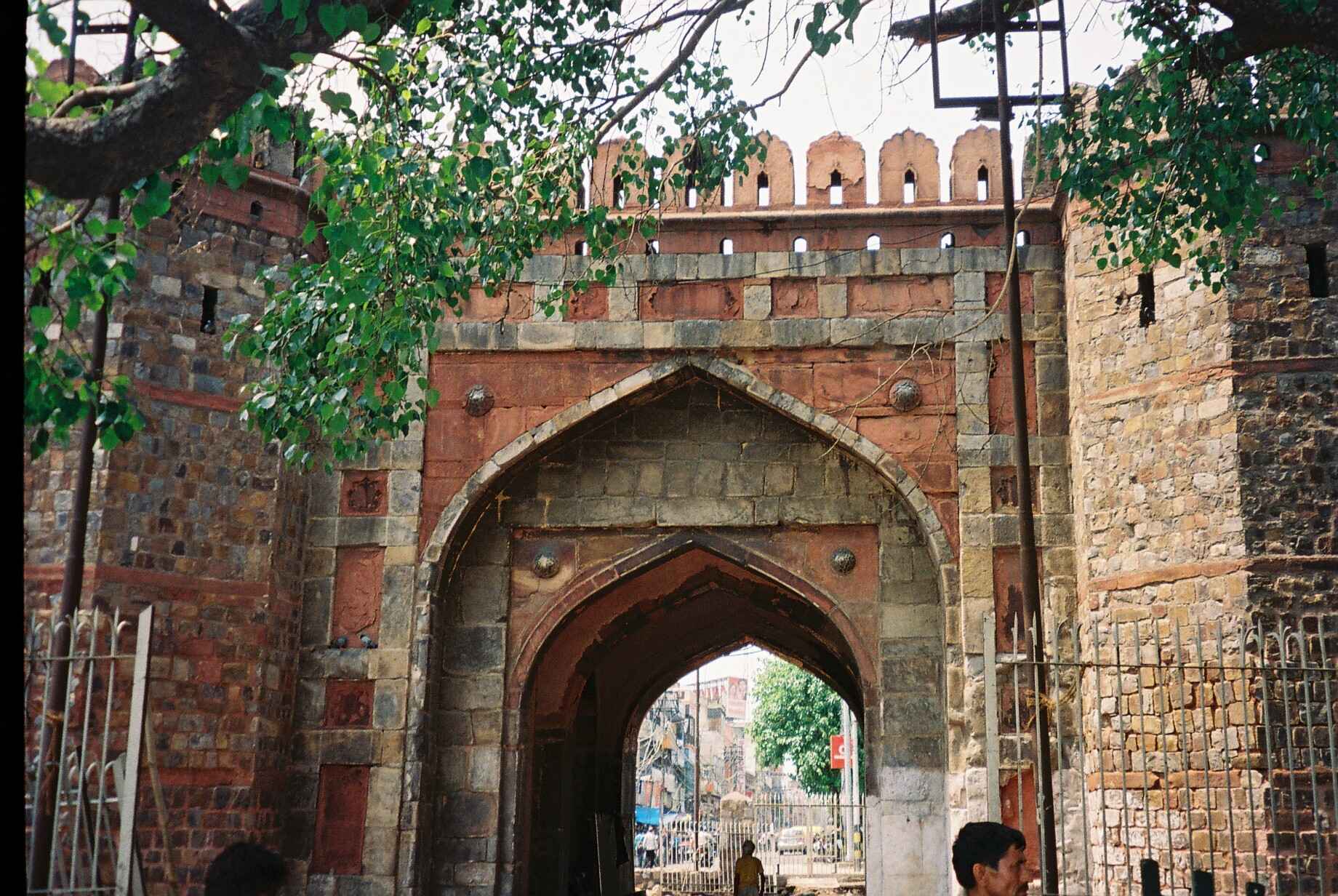
Delhi Gate, Delhi
Overview: Delhi Gate is one of the prominent gates of the historic walled city of Old Delhi, built by Mughal Emperor Shah Jahan in the 17th century. It served as a key entry point to the city and connected it to other important locations. The gate is a fine example of Mughal architecture and holds historical significance. It is situated on the south-eastern end of the walled city, leading towards Feroz Shah Kotla and India Gate.
Key Features:
- Mughal Architecture: The gate is built with red sandstone and features intricate carvings and decorative elements characteristic of Mughal architectural style.
- Historical Significance: Delhi Gate was one of the 14 gates of the walled city of Shahjahanabad, which served as the capital of the Mughal Empire. It was an important gateway for travelers and traders entering the city.
- Cultural Landmark: The gate stands as a cultural and historical landmark, representing the rich history and heritage of Old Delhi.
Best Time to Visit: The best time to visit Delhi Gate is during the cooler months from October to March. The weather during this period is pleasant, making it ideal for exploring the gate and the surrounding areas. The summer months (April to June) can be extremely hot, and the monsoon season (July to September) may bring heavy rains, which can affect your visit.
Visiting Hours:
- Delhi Gate is accessible throughout the day. However, it is advisable to visit during daylight hours to fully appreciate the architectural beauty and historical significance of the gate.
Tips for Visitors:
- Comfortable Footwear: Wear comfortable shoes suitable for walking, as exploring the area around the gate involves some walking.
- Sun Protection: Bring sunscreen, a hat, and sunglasses to protect yourself from the sun, especially during the daytime.
- Hydration: Carry water to stay hydrated, particularly during warmer months.
- Respect the Site: As a historical site, visitors should respect the structure and avoid touching or damaging any part of the gate.
- Photography: Bring a camera to capture the architectural features of the gate. Photography is generally allowed, but it’s best to check any specific rules upon arrival.
- Combine Visits: Since Delhi Gate is located near several other historical sites, consider combining your visit with a trip to Feroz Shah Kotla, India Gate, and the National Gandhi Museum for a comprehensive experience.
How to Reach:
- By Metro: The nearest metro station is Delhi Gate on the Violet Line, from where you can walk to the gate or take a short rickshaw ride.
- By Road: Delhi Gate is located in central Delhi and is well-connected by roads. You can reach the site by car, taxi, or auto-rickshaw.
- By Rail: The nearest railway station is New Delhi Railway Station, from where you can take a taxi or auto-rickshaw to reach Delhi Gate.
Conclusion: Delhi Gate is a significant historical landmark that offers a glimpse into the architectural and cultural heritage of Old Delhi. Visiting during the cooler months from October to March ensures a comfortable and enjoyable trip, allowing you to fully appreciate the beauty and historical importance of the gate. Whether you are a history enthusiast, a student, or a curious traveler, Delhi Gate provides a unique and enriching experience in the heart of Delhi.


COMMENTS