
Hagia Sophia, Istanbul: Best Time to Visit
Overview
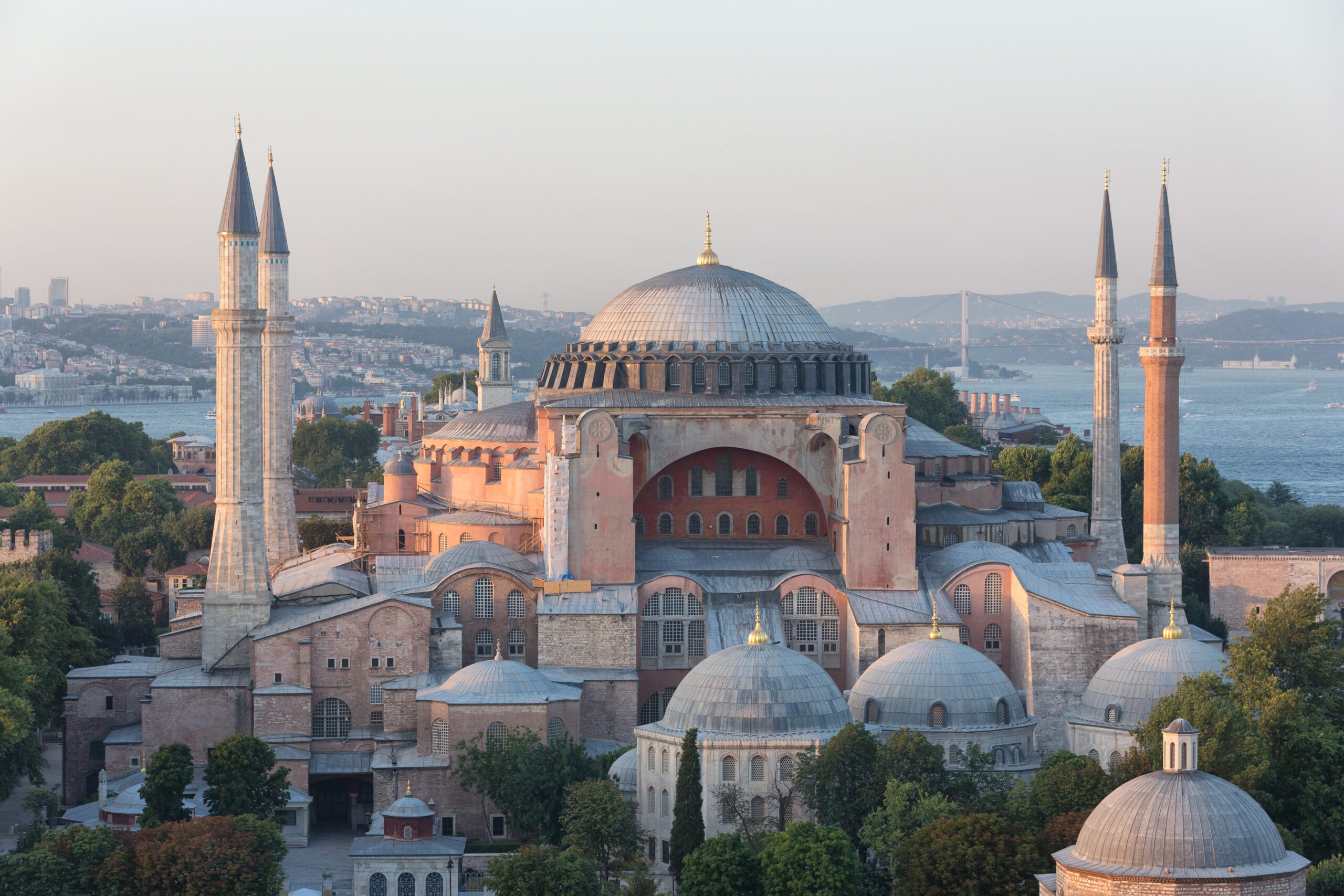
Hagia Sophia, also known as Ayasofya, is one of Istanbul's most iconic and historically significant landmarks. Originally built as a cathedral in 537 AD by the Byzantine Emperor Justinian I, it later became a mosque after the Ottoman conquest in 1453 and has been a museum since 1935. In 2020, it was reconverted into a mosque. Hagia Sophia is renowned for its massive dome, stunning mosaics, and architectural grandeur, reflecting a rich history that spans multiple empires and religions.
Highlights
- Architectural Marvel: Hagia Sophia is famous for its massive dome, which was considered an engineering marvel of its time. The interior features beautiful mosaics, marble pillars, and intricate decorations.
- Historical Significance: The building has served as a cathedral, mosque, museum, and mosque again, reflecting the diverse cultural and religious history of Istanbul.
- Mosaics: The interior houses some of the most exquisite Byzantine mosaics, depicting religious scenes and figures.
- Minarets: The four minarets added during the Ottoman period enhance the mosque's grandeur and historical layers.
- Central Location: Located in Sultanahmet, it is close to other major attractions such as the Blue Mosque, Topkapi Palace, and the Basilica Cistern.
Best Time to Visit
The best time to visit Hagia Sophia in Istanbul depends on your preferences for weather and crowd levels. Here are some ideal periods to consider:
- Spring (April to June): Spring is one of the best times to visit Hagia Sophia. The weather is mild and pleasant, with temperatures ranging from 15°C to 25°C (59°F to 77°F). The city's parks and gardens are in full bloom, adding to the charm of your visit. This period is perfect for exploring comfortably.
- Autumn (September to October): Another ideal time to visit, autumn offers cool and comfortable weather with temperatures ranging from 15°C to 25°C (59°F to 77°F). The crowds are thinner compared to the peak summer season, making it an excellent time for a more relaxed visit.
- Summer (July to August): Summer in Istanbul can be hot and humid, with temperatures often exceeding 30°C (86°F). While Hagia Sophia is an indoor site, it can get crowded during this peak tourist season. If you visit during summer, consider going early in the morning or late in the afternoon to avoid the peak heat and crowds.
- Winter (November to March): Winter in Istanbul can be cold and rainy, with temperatures ranging from 5°C to 15°C (41°F to 59°F). While the weather may not be ideal, Hagia Sophia is less crowded during this time, offering a more relaxed experience. The festive atmosphere during the holiday season adds a unique charm to the visit.
Travel Tips
- Opening Hours: Hagia Sophia is generally open from 9:00 AM to 7:00 PM, but it’s advisable to check for the most up-to-date visiting hours and any special closures.
- Tickets: Admission is free since it is a mosque. However, it’s a good idea to arrive early to avoid long lines, especially during peak tourist seasons.
- Dress Code: As a mosque, visitors are required to dress modestly. Women should cover their heads with a scarf, and both men and women should wear clothing that covers their shoulders and knees. Scarves and skirts are usually provided at the entrance for those who need them.
- Respect and Conduct: Be respectful of the religious significance of the site. Maintain silence and refrain from disturbing worshippers during prayer times. Photography is generally allowed but avoid using flash.
- Guided Tours: Consider taking a guided tour to gain deeper insights into the history, architecture, and significance of Hagia Sophia.
- Comfortable Shoes: Wear comfortable walking shoes, as you will be standing and walking on marble floors.
- Nearby Attractions: Combine your visit to Hagia Sophia with nearby attractions such as the Blue Mosque, Topkapi Palace, and the Basilica Cistern for a comprehensive cultural experience.
Summary
Hagia Sophia is a must-visit destination in Istanbul, offering a rich blend of architectural grandeur and historical significance. The best times to visit are during the mild and pleasant seasons of spring (April to June) and autumn (September to October). Whether you are admiring the stunning mosaics, exploring the vast interior, or reflecting on the site's rich history, a visit to Hagia Sophia promises a memorable and enriching experience.


COMMENTS