
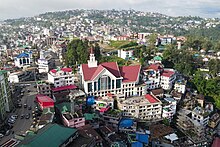
Kohima Village, Kohima: An Overview
Introduction
Kohima Village, also known as Bara Basti, is one of the largest and oldest villages in Asia and the heart of the Angami Naga tribe. Located in Kohima, the capital of Nagaland, India, this village is steeped in history and tradition. It offers visitors a unique glimpse into the rich cultural heritage and traditional lifestyle of the Naga people.
Historical and Cultural Significance
Kohima Village is known for its traditional Angami Naga architecture, including traditional houses made of wood and thatch, often adorned with intricate carvings and traditional motifs. The village is divided into four khels (quarters): Tsütuonuomia, Lhisemia, Dapfütsumia, and Pfüchatsumia, each with its own distinct identity and heritage. The village is also home to several traditional Naga morungs (dormitories) and the ceremonial gate, which is a prominent feature decorated with animal horns and carvings.
Best Time to Visit
The best time to visit Kohima Village is during the winter (October to February) and spring (March to April) months. These periods offer the most pleasant weather for sightseeing and exploring the village and its surroundings.
-
Winter (October to February):
- Weather: Cool and pleasant with temperatures ranging from 10°C to 20°C.
- Activities: The mild winter weather is ideal for walking around the village and exploring its traditional architecture. Visiting during the Hornbill Festival in early December is particularly rewarding, as the village comes alive with cultural performances, traditional dances, and local handicrafts.
-
Spring (March to April):
- Weather: Warm and comfortable with temperatures ranging from 15°C to 25°C.
- Activities: Spring offers pleasant weather for exploring the village and enjoying the natural beauty of the region. The blooming flowers and vibrant landscapes enhance the overall experience.
Tips for Visitors
- Dress Code: Wear comfortable clothing and walking shoes suitable for exploring the village and its hilly terrain. Modest attire is advisable to respect local customs.
- Photography: Photography is generally allowed in the village, but it is courteous to ask for permission before taking pictures of people or specific homes.
- Respect Local Customs: Be mindful of the local customs and traditions. Follow the guidelines provided by the villagers and be respectful of their cultural practices.
- Local Amenities: Basic amenities such as restrooms and small eateries may be available in the village. It is advisable to carry water and light snacks during your visit.
- Guided Tours: Consider hiring a local guide to gain deeper insights into the history, culture, and traditions of Kohima Village. Guided tours can provide valuable context and enhance the visitor experience.
Conclusion
Kohima Village is a culturally rich and historically significant destination that offers a unique insight into the traditional lifestyle of the Angami Naga people. Visiting during the winter or spring months ensures a comfortable and enriching experience, allowing you to fully appreciate the village's heritage and the warmth of its people. Exploring Kohima Village provides a unique opportunity to connect with the vibrant cultural fabric of Nagaland and experience the timeless traditions of the Naga community.


COMMENTS