
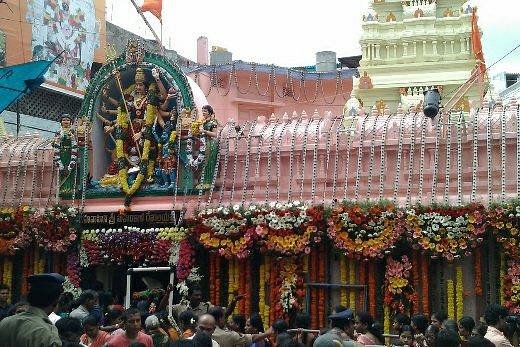
Mahakali Temple, Nagarkot
Overview
Mahakali Temple is a revered Hindu temple located in Nagarkot, Nepal. Dedicated to Goddess Kali, the temple is an important religious site for locals and visitors alike. Nestled amidst the serene and picturesque surroundings of Nagarkot, the temple offers a peaceful atmosphere for worship and meditation. The temple is known for its spiritual significance, beautiful architecture, and stunning views of the surrounding hills and valleys.
Best Time to Visit
- Autumn (September to November): This is the best time to visit Mahakali Temple. The weather is clear and cool, providing excellent visibility of the surrounding landscapes. This season is ideal for outdoor activities and enjoying the scenic beauty of Nagarkot.
- Spring (March to May): Spring is another great time to visit, with pleasant temperatures and blooming flowers adding vibrant colors to the landscape. The mild weather makes it perfect for exploring the temple and its surroundings.
- Winter (December to February): Winter can be a good time to visit if you enjoy cooler temperatures and fewer crowds. The crisp air and serene environment make it a peaceful time for worship and meditation. Just be prepared for cold weather, especially in the mornings and evenings.
- Summer (June to August): The monsoon season brings heavy rainfall, which can make outdoor activities challenging. However, the lush green surroundings and fresh air create a unique charm. If you visit during this time, be prepared for rain and check weather conditions in advance.
Highlights and Tips
- Spiritual Experience: Mahakali Temple is a significant religious site for devotees of Goddess Kali. The temple provides a peaceful and spiritual atmosphere for worship, meditation, and reflection.
- Beautiful Architecture: The temple's architecture is traditional and intricate, with beautiful carvings and designs that reflect the rich cultural heritage of the region.
- Scenic Views: The temple is located in a picturesque setting, offering stunning views of the surrounding hills and valleys. The serene environment enhances the overall spiritual experience.
- Festivals and Events: Visiting the temple during Hindu festivals, such as Navaratri, can provide a unique cultural experience. The temple comes alive with vibrant decorations, rituals, and celebrations during these times.
- Photography: The beautiful architecture and scenic surroundings provide excellent opportunities for photography. Capture the intricate details of the temple and the stunning views of the landscape.
- Local Culture: Engage with the locals and learn about their religious practices and traditions. Visiting the temple can provide valuable insights into the cultural and spiritual life of the community.
Access
- Location: Mahakali Temple is located in Nagarkot, approximately 32 kilometers from Kathmandu, Nepal.
- Public Transport: The temple is accessible by road from Kathmandu. You can hire a taxi or take a local bus to Nagarkot. The journey takes about 1.5 to 2 hours, depending on traffic and road conditions.
- Nearest Airport: The nearest airport is Tribhuvan International Airport in Kathmandu. From the airport, you can hire a taxi or arrange for transportation to Nagarkot.
Additional Tips
- Respectful Attire: When visiting the temple, dress modestly and respectfully. Cover your shoulders and legs as a sign of respect to the religious site.
- Weather Preparedness: Depending on the season, pack appropriate clothing. Carry warm clothing for winter visits and rain gear if traveling during the monsoon.
- Footwear: Be prepared to remove your shoes before entering the temple premises, as it is a common practice in Hindu temples.
- Combine with Sightseeing: After visiting Mahakali Temple, explore other nearby attractions in Nagarkot, such as the Nagarkot View Tower, local hiking trails, and nearby villages to fully experience the beauty and culture of the region.
- Local Customs: Be respectful of local customs and traditions while visiting the temple. Engage with the locals to learn more about their religious practices and cultural heritage.


COMMENTS