
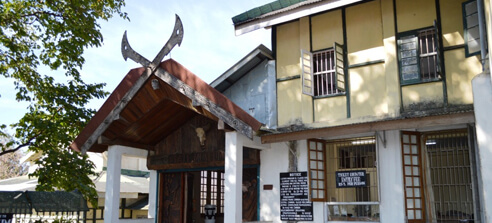
Nagaland State Museum, Kohima: An Overview
Introduction
The Nagaland State Museum, located in Kohima, is a significant cultural and historical repository that offers a deep insight into the rich heritage of Nagaland. The museum showcases a wide array of artifacts that represent the diverse cultures and traditions of the various Naga tribes. It is a must-visit destination for anyone interested in the history, art, and cultural heritage of Nagaland.
Exhibits and Cultural Significance
The Nagaland State Museum houses an extensive collection of artifacts, including traditional Naga costumes, jewelry, weapons, tools, and musical instruments. One of the key attractions is the display of traditional Naga morungs (youth dormitories), which are intricately carved and decorated. The museum also features sculptures, dioramas, and photographs that depict the daily life, festivals, and rituals of the Naga people. Additionally, the museum has a section dedicated to natural history, showcasing the region's flora and fauna.
Best Time to Visit
The best time to visit the Nagaland State Museum is during the winter (October to February) and spring (March to April) months. These periods offer the most pleasant weather for sightseeing and exploring Kohima and its surroundings.
- Winter (October to February):
- Weather: Cool and pleasant with temperatures ranging from 10°C to 20°C.
- Activities: The mild winter weather is ideal for visiting the museum and other nearby attractions in Kohima. The Hornbill Festival in early December is a particularly vibrant time to visit, with the museum often hosting special exhibits and events.
- Spring (March to April):
- Weather: Warm and comfortable with temperatures ranging from 15°C to 25°C.
- Activities: Spring offers pleasant weather for exploring the museum and enjoying the natural beauty of the region. The blooming flowers and lush greenery enhance the overall experience of the visit.
Tips for Visitors
- Dress Code: Wear comfortable attire suitable for walking around the museum. Light clothing during spring and layered clothing during winter are advisable.
- Photography: Photography may be restricted in certain sections of the museum. It is best to confirm any restrictions with the museum staff.
- Guided Tours: Consider taking a guided tour to gain deeper insights into the exhibits and the cultural significance of the artifacts. Guided tours can provide valuable context and enhance the visitor experience.
- Local Amenities: The museum is located in Kohima, which has basic amenities such as restrooms and eateries. Carry water and light snacks to stay hydrated and energized during your visit.
- Access: The museum is easily accessible from various parts of Kohima. Plan your visit to include other nearby attractions such as the Catholic Cathedral and Kohima Village for a comprehensive cultural experience.
Conclusion
The Nagaland State Museum in Kohima is a treasure trove of cultural and historical artifacts that offer a profound insight into the rich heritage of the Naga tribes. Visiting during the winter or spring months ensures a comfortable and enriching experience, allowing you to fully appreciate the diverse exhibits and the cultural significance of the museum. Exploring the Nagaland State Museum provides a unique opportunity to connect with the vibrant cultural fabric of Nagaland and gain a deeper understanding of its traditions and history.


COMMENTS