
Pasabag Valley, Cappadocia: Best Time to Visit
Overview
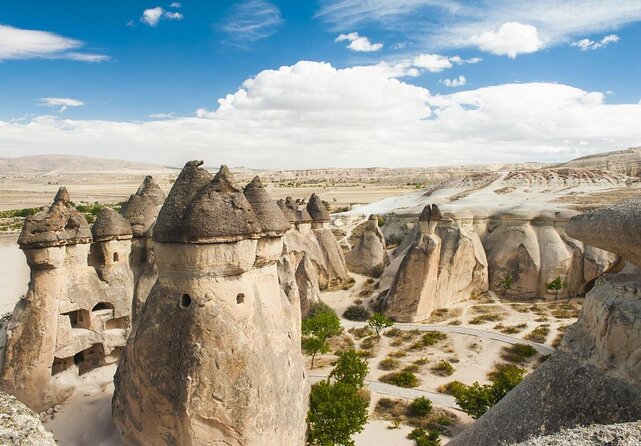
Pasabag Valley, also known as Monks Valley, is a stunning natural attraction in Cappadocia, Turkey. Famous for its unique fairy chimneys and rock formations, the valley offers visitors an enchanting landscape dotted with ancient hermitages and cave dwellings. It is one of the most visited sites in Cappadocia, providing a fascinating glimpse into the region's geological and historical heritage.
Highlights
- Fairy Chimneys: The valley is renowned for its extraordinary fairy chimneys, which are tall, conical rock formations created by volcanic activity and erosion.
- Historical Sites: Pasabag Valley is home to ancient cave dwellings and hermitages used by monks, including the Church of St. Simeon, named after a hermit who lived in one of the fairy chimneys.
- Scenic Beauty: The valley offers breathtaking views of the Cappadocian landscape, with its unique rock formations, lush vineyards, and rolling hills.
- Hiking and Exploration: Visitors can enjoy walking and hiking trails that meander through the valley, providing opportunities to explore the natural and historical wonders up close.
Best Time to Visit
The best time to visit Pasabag Valley in Cappadocia depends on the weather and your preferences for outdoor activities. Here are the ideal periods to consider:
- Spring (April to June): This is one of the best times to visit Pasabag Valley. The weather is mild and pleasant, with temperatures ranging from 10°C to 20°C (50°F to 68°F). The blooming flowers and vibrant greenery enhance the beauty of the landscape, making it perfect for hiking and exploration.
- Autumn (September to October): Another ideal time to visit, autumn offers cool and comfortable weather with temperatures ranging from 10°C to 20°C (50°F to 68°F). The clear skies and colorful foliage provide a picturesque setting for exploring the valley. This period is also less crowded compared to the peak summer season.
- Summer (July to August): The summer months can be hot, with temperatures often exceeding 30°C (86°F). While the mornings and evenings are pleasant, the midday heat can be intense. If you visit during this period, plan your activities for early morning or late afternoon to avoid the peak heat. Despite the heat, summer offers longer daylight hours for exploration.
- Winter (November to March): Winter in Cappadocia can be cold, with temperatures ranging from -5°C to 10°C (23°F to 50°F). The valley occasionally receives snowfall, adding a magical touch to the fairy chimneys. However, the cold weather can make outdoor activities less comfortable. If you enjoy winter landscapes and quieter surroundings, this can be a unique time to visit.
Travel Tips
- Clothing: Dress in layers and wear comfortable clothing suitable for the season. In summer, lightweight and breathable fabrics are essential, while in winter, warm and insulated clothing is necessary.
- Footwear: Wear sturdy and comfortable walking shoes or hiking boots, as the terrain can be uneven and rocky.
- Hydration and Sun Protection: Carry water and stay hydrated, especially during the hot summer months. Use sunscreen, sunglasses, and a hat to protect yourself from the sun.
- Early Visits: To avoid crowds and enjoy a more peaceful experience, visit the valley early in the morning or late in the afternoon.
- Local Guides: Consider hiring a local guide to gain deeper insights into the geological formations and historical significance of Pasabag Valley.
- Photography: The best light for photography is during the early morning and late afternoon when the sunlight casts a warm glow on the rock formations.
Summary
Pasabag Valley in Cappadocia is a captivating destination offering a unique blend of natural beauty and historical significance. The best times to visit are during the mild and pleasant seasons of spring (April to June) and autumn (September to October). Whether you are exploring the fairy chimneys, hiking through the scenic landscape, or delving into the ancient history of the region, a visit to Pasabag Valley promises a memorable and enriching experience.


COMMENTS