
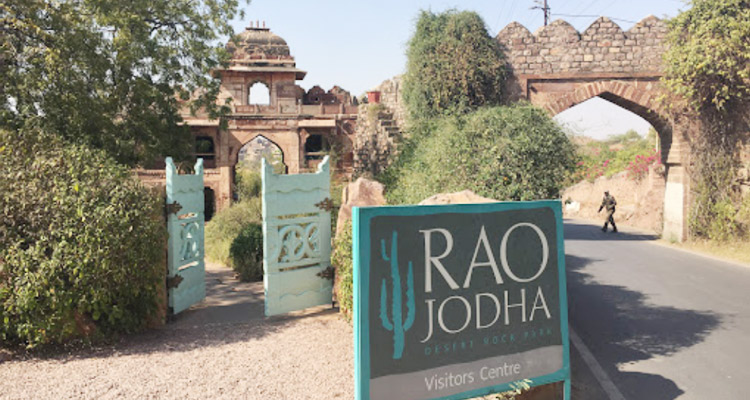
Rao Jodha Desert Rock Park, Jodhpur, Rajasthan
Overview
Rao Jodha Desert Rock Park is a unique ecological park located at the base of the Mehrangarh Fort in Jodhpur, Rajasthan. Spread over 72 hectares, the park was created in 2006 with the aim of restoring the natural ecology of the rocky wasteland surrounding the fort. The park showcases the natural beauty of the Thar Desert's rock formations and indigenous flora, making it a fascinating destination for nature lovers, geologists, and botany enthusiasts.
Historical and Cultural Significance
- Ecological Restoration: The park was established to restore the natural landscape that had been overrun by invasive species. The area now supports native plant species adapted to the arid environment.
- Connection to Mehrangarh Fort: The park is named after Rao Jodha, the founder of Jodhpur, and provides a stunning backdrop to the historic Mehrangarh Fort. The park’s trails lead visitors through unique rock formations and up to the fort, offering a blend of natural and historical exploration.
Activities and Attractions
- Guided Tours: The park offers guided tours that provide insights into the geological history, plant species, and restoration efforts. Knowledgeable guides explain the significance of the native flora and the ecological processes at work.
- Nature Trails: Explore several well-marked trails that wind through the park, allowing visitors to discover the diverse plant species and unique rock formations. The trails vary in length and difficulty, catering to different fitness levels.
- Flora and Fauna: Discover over 250 species of native plants, including various shrubs, trees, and grasses that are well adapted to the arid conditions of the Thar Desert. The park also attracts a variety of bird species, making it a great spot for bird watching.
- Geological Features: The park features striking volcanic rock formations, including rhyolite, welded tuff, and breccia, which provide a fascinating glimpse into the region's geological history.
- Scenic Views: Enjoy panoramic views of Jodhpur city and the Mehrangarh Fort from various vantage points within the park. The contrast between the greenery of the park and the rugged desert landscape creates a stunning visual experience.
- Photography: The unique landscape, diverse plant species, and scenic views offer excellent opportunities for photography.
Best Time to Visit
The best time to visit Rao Jodha Desert Rock Park is during the cooler months from October to March. During this period, the weather is pleasant and suitable for outdoor activities and exploration.
- October to March (Winter and Early Spring): This is the ideal time to visit, with temperatures ranging between 10°C to 25°C. The weather is cool and comfortable, making it perfect for exploring the park and enjoying nature walks.
- April to June (Summer): The summer months are extremely hot, with temperatures often exceeding 40°C. It is advisable to avoid visiting during this period due to the intense heat.
- July to September (Monsoon): The monsoon season brings occasional rainfall, which can make the trails slippery. While the park does get some greenery during this time, the humidity and potential for rain may not be ideal for all visitors.
Visiting Tips and Preparation
- Clothing: Wear light, comfortable clothing suitable for walking and exploring. In cooler months, bring a light jacket or sweater for the early mornings and evenings. In summer, wear a hat, sunglasses, and sunscreen to protect yourself from the sun.
- Footwear: Wear sturdy, comfortable walking shoes suitable for navigating the rocky and uneven terrain.
- Water and Snacks: Carry sufficient water to stay hydrated, especially during the hotter months. Bringing some snacks is also advisable, as there are limited facilities within the park.
- Camera: Bring a camera to capture the unique landscapes, plant species, and scenic views.
- Respect the Environment: Help preserve the natural beauty of the park by not littering and respecting the plant and animal life. Stick to designated trails to avoid disturbing the ecosystem.
Key Attractions
- Guided Tours: Learn about the park's ecology, plant species, and geological features from knowledgeable guides.
- Nature Trails: Explore well-marked trails that offer a variety of plant species and rock formations.
- Flora and Fauna: Discover over 250 species of native plants and various bird species.
- Geological Features: Admire the striking volcanic rock formations and learn about the region's geological history.
- Scenic Views: Enjoy panoramic views of Jodhpur city and Mehrangarh Fort.
- Photography: Capture stunning photographs of the unique landscapes and natural beauty.
How to Reach
Jodhpur is well-connected and can be reached by various means:
- By Air: The nearest airport is Jodhpur Airport, which is well-connected to major cities in India. From the airport, you can hire a taxi or take a local bus to reach the park, located about 10 kilometers away.
- By Road: Jodhpur is accessible by road from major cities like Delhi, Jaipur, and Udaipur. Regular bus services and taxis are available to reach Jodhpur. The park is located near the Mehrangarh Fort, which is a well-known landmark in the city.
- By Rail: The nearest railway station is Jodhpur Junction, which is well-connected to major cities in India. From the railway station, you can hire a taxi or take a local bus to reach the park.
Once in Jodhpur, you can easily reach Rao Jodha Desert Rock Park by taxi, auto-rickshaw, or even by walking if you are staying nearby.
Visiting Rao Jodha Desert Rock Park offers a unique opportunity to explore the natural beauty and ecological diversity of the Thar Desert. The combination of scenic trails, rich flora and fauna, and stunning geological features makes it a must-visit destination in Jodhpur.


COMMENTS