
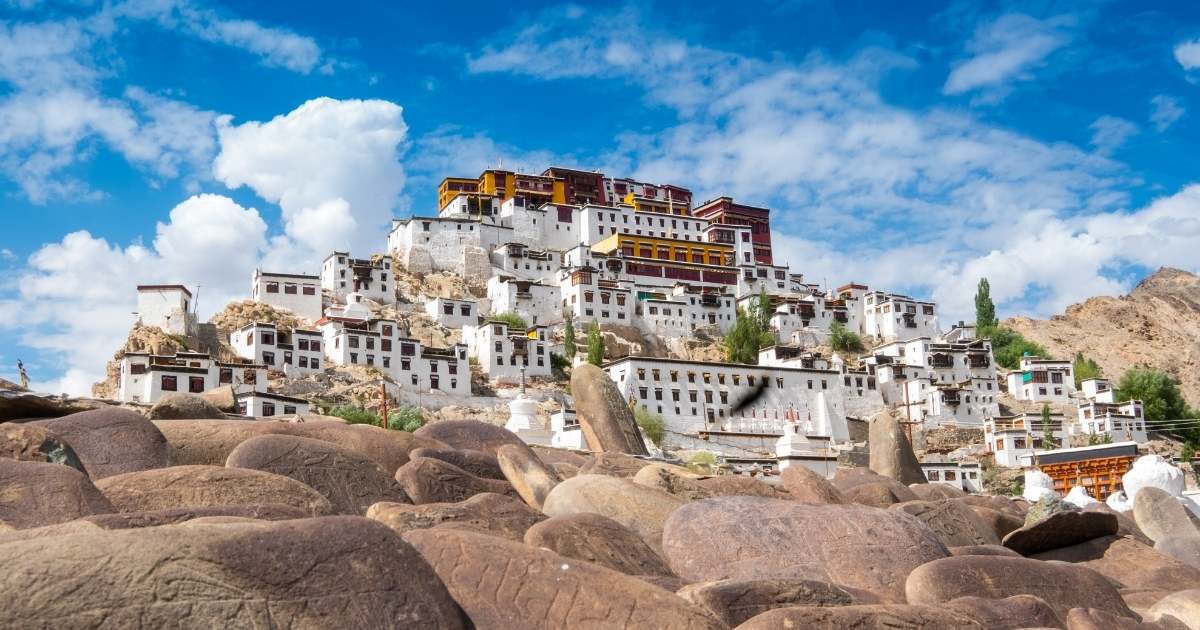
Thiksey Monastery and Stok Monastery, Leh, Ladakh
Overview
Thiksey Monastery and Stok Monastery are two of the most prominent and beautiful monasteries in the Leh region of Ladakh. Both monasteries offer rich historical, cultural, and spiritual experiences, along with stunning architectural beauty and breathtaking views of the surrounding landscapes.
Thiksey Monastery
Historical and Cultural Significance
- Location: Situated about 19 kilometers east of Leh, Thiksey Monastery is one of the largest and most architecturally impressive monasteries in Ladakh.
- Founding: The monastery was founded in the mid-15th century by Paldan Sherab, a disciple of Je Tsongkhapa, the founder of the Gelug sect of Tibetan Buddhism.
- Architectural Marvel: Often compared to the Potala Palace in Lhasa, Thiksey Monastery is a twelve-story complex that houses ten temples, an assembly hall, and a nunnery.
Activities and Attractions
- Maitreya Temple: Visit the Maitreya Temple, which houses a 15-meter-high statue of Maitreya Buddha, the largest such statue in Ladakh.
- Dukhang (Assembly Hall): Explore the main assembly hall, which features numerous ancient scriptures, statues, and murals.
- Morning Prayers: Attend the morning prayers to experience the spiritual ambiance and witness the monks chanting.
- Museum: The monastery has a museum displaying a rich collection of ancient relics, Buddhist art, and manuscripts.
- Panoramic Views: Enjoy the stunning panoramic views of the Indus Valley and the surrounding mountains from the monastery complex.
- Festivals: If visiting during the Gustor Festival (usually held in October or November), you can witness traditional masked dances and rituals performed by the monks.
Stok Monastery
Historical and Cultural Significance
- Location: Located about 15 kilometers south of Leh, Stok Monastery is part of the Stok Palace complex, which is the residence of the royal family of Ladakh.
- Founding: The monastery was founded in the 14th century by Lama Lhawang Lotus, a disciple of Tsongkhapa.
- Stok Palace: The Stok Palace was built in 1820 by King Tsepal Namgyal and serves as the current residence of the Namgyal dynasty, the former royal family of Ladakh.
Activities and Attractions
- Museum: Visit the Stok Palace Museum, which houses an extensive collection of artifacts, including royal garments, jewelry, thangkas, and weapons.
- Gompa (Monastery): Explore the monastery, which houses a statue of Avalokiteshvara and numerous other statues and artifacts.
- Library: The monastery's library contains a rich collection of Buddhist scriptures and ancient texts.
- Prayer Wheel: Spin the large prayer wheel at the entrance of the monastery for good luck and blessings.
- Cultural Insights: Interact with the monks and learn about the history, culture, and religious practices of the region.
Best Time to Visit
The best time to visit Thiksey Monastery and Stok Monastery is during the summer and early autumn months from May to September. During this period, the weather is pleasant, and the roads are accessible, making it ideal for travel and outdoor activities.
- May to September (Summer and Early Autumn): This is the ideal time to visit, with temperatures ranging between 10°C to 25°C. The weather is pleasant, making it perfect for exploring the monasteries and enjoying the scenic views.
- October to April (Winter): The winter months are extremely cold, with temperatures often dropping below freezing. The region may become inaccessible due to heavy snowfall, and it is not advisable to visit during this period unless you are well-prepared for harsh winter conditions.
Visiting Tips and Preparation
- Clothing: Wear comfortable, layered clothing suitable for varying temperatures. Carry warm clothing, as temperatures can drop significantly, especially during the evening and early morning.
- Footwear: Wear sturdy, comfortable walking shoes suitable for exploring the monastery complexes and uneven terrain.
- Permits: No special permits are required to visit these monasteries, but always check for any specific requirements or restrictions.
- Water and Snacks: Carry sufficient water and snacks, as there may be limited facilities available near the monasteries.
- Respect the Culture: Respect the local culture and customs. Dress modestly and remove your shoes before entering the monastery buildings.
- Photography: Photography is usually allowed, but always ask for permission before taking pictures inside the monastery buildings or of the monks.
Key Attractions
Thiksey Monastery
- Maitreya Temple: Visit the temple housing the large statue of Maitreya Buddha.
- Dukhang (Assembly Hall): Explore the main assembly hall with its ancient scriptures and murals.
- Museum: Discover the rich collection of relics and Buddhist art.
- Morning Prayers: Attend the spiritual morning prayers.
- Panoramic Views: Enjoy stunning views of the Indus Valley.
- Festivals: Witness traditional masked dances during the Gustor Festival.
Stok Monastery
- Museum: Visit the Stok Palace Museum with its extensive collection of royal artifacts.
- Gompa (Monastery): Explore the monastery and its statues and artifacts.
- Library: Discover the rich collection of Buddhist scriptures.
- Prayer Wheel: Spin the large prayer wheel for blessings.
- Cultural Insights: Learn about the history and culture from the monks.
How to Reach
Leh is well-connected and can be reached by various means:
- By Air: The nearest airport is Kushok Bakula Rimpochee Airport in Leh, which is well-connected to major cities in India. From Leh, you can hire a taxi or rent a vehicle to reach the monasteries.
- By Road: Leh is accessible by road from Manali via the Leh-Manali Highway or from Srinagar via the Leh-Srinagar Highway. Thiksey Monastery is located about 19 kilometers from Leh, while Stok Monastery is about 15 kilometers away. Taxis and private vehicles are readily available for transportation.
- Local Transport: Once in Leh, you can hire a taxi, join a guided tour, or rent a motorcycle to travel to Thiksey Monastery and Stok Monastery.
Visiting Thiksey Monastery and Stok Monastery offers a unique blend of spiritual, cultural, and historical experiences. The stunning architecture, rich cultural heritage, and breathtaking landscapes make these monasteries must-visit destinations in the Leh region of Ladakh.


COMMENTS